

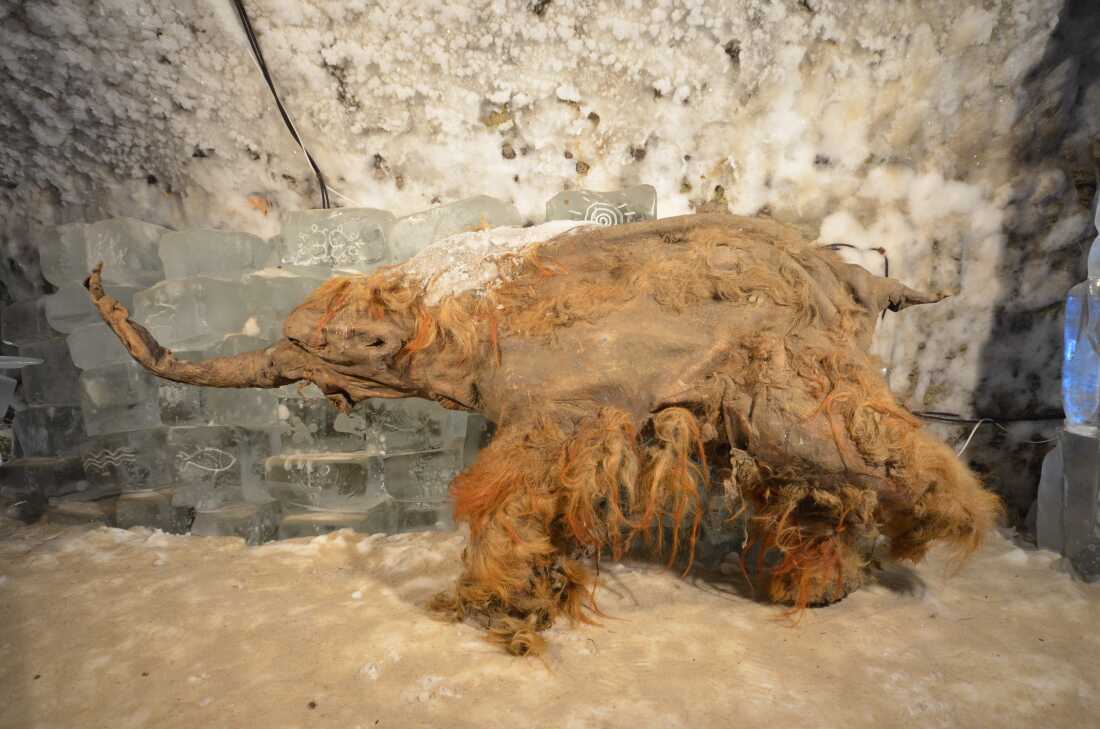
Reading the RNA of a Mammoth
November 10, 2025In November 2025, researchers succeeded in sequencing RNA from mammoth remains for the first time, opening a new window into the biology of long‑extinct animals. Until now, studies of ancient life have primarily relied on DNA and proteins, which are more chemically robust and tend to survive longer in fossils and permafrost than fragile RNA molecules.
Recovering mammoth RNA means scientists can start to infer not just which genes the animal carried, but which genes were actively being expressed in particular tissues close to the time of death. That level of detail offers clues about metabolism, stress responses, and cell function that cannot be extracted from DNA alone, enriching reconstructions of prehistoric physiology and ecology. More broadly, this achievement suggests that with careful preservation conditions and advanced methods, ancient RNA could be recovered from other species as well, pushing paleogenomics into a genuinely “molecular physiology of the past.